
Blog

Non‑Alcoholic Beverages in Recovery: A Helpful Tool or a Hidden Risk?
For many people in early recovery, the world of non‑alcoholic (NA) beverages can feel like a lifeline — a way to participate socially without jeopardizing sobriety. As an addiction specialist, I’ve seen NA drinks play a meaningful role in harm reduction, confidence building, and social reintegration. I’ve also seen them become a slippery slope when used without awareness, support, or accountability.
Like most things in recovery, the key is intention, timing, and honesty.

Why Naltrexone Works at First — and Why It Can Stop Working: An Addiction Specialist’s Perspective
Naltrexone is one of the most widely studied medications used in the treatment of alcohol use disorder. When paired with counseling and recovery support, it can reduce cravings and help people break the cycle of heavy drinking. But it’s also a medication that many people misunderstand. It works well for some, works briefly for others, and for a portion of people, it doesn’t work at all.

Gratitude as a Cornerstone of RecoveryWhy Gratitude Is an Action—And How Humility Protects Sobriety
In addiction recovery, people often hear the phrase “practice gratitude.” It can sound cliché, almost too simple for something as complex as rebuilding a life. But from the perspective of an addiction specialist, gratitude is not a feel‑good slogan. It is a powerful behavioral tool that rewires thinking, stabilizes emotions, and strengthens the foundation of long‑term sobriety.

Why Counseling Is a Cornerstone of Addiction Recovery — For Individuals and Their Loved Ones
As an addiction specialist, I’ve seen countless people walk through the doors of recovery carrying not just a substance or behavior problem, but a story — often one filled with pain, confusion, shame, and hope. Recovery is never just about stopping the substance or behavior. It’s about rebuilding a life, repairing relationships, and rediscovering a sense of self.
That’s why counseling isn’t an “extra” in recovery. It’s one of the pillars that holds the entire process together.

Addiction Exists on a Spectrum: Understanding Mild, Moderate, and Severe Addiction
One of the most important truths I try to help people understand is this: addiction is not an on/off switch. It isn’t something you “have” or “don’t have.” Instead, addiction exists on a spectrum, ranging from mild to moderate to severe.
This spectrum reflects how deeply a substance or behaviour has taken hold in someone’s life—and it helps guide what kind of support will be most effective.
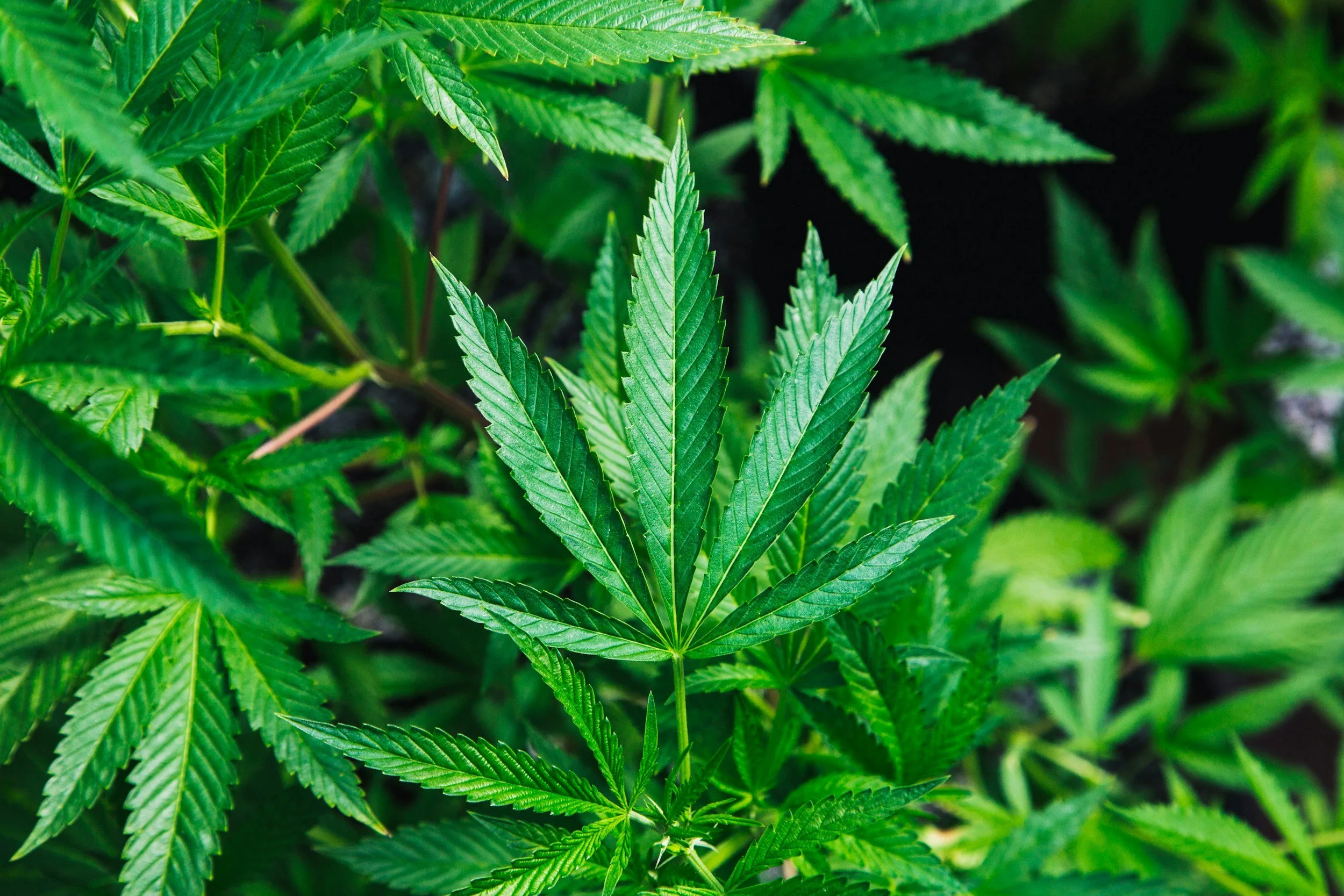
Why Cannabis Is Not a Harm‑Reduction Medication for AUD or SUDA
In recent years, cannabis has been promoted in some circles as a “safer alternative” to alcohol or other drugs. The idea sounds appealing: replace a harmful substance with something perceived as more natural or less dangerous. But from the standpoint of an addiction specialist, this approach is not only misleading—it can derail recovery and prolong suffering.

When One Addiction Replaces Another: The Hidden Danger of Switching From Stimulants to Alcohol
In the world of addiction recovery, one pattern shows up so often that specialists have a name for it: substance switching. It happens when a person stops using one addictive substance—like crystal meth or cocaine—only to lean more heavily on another, such as alcohol.

Understanding Opiate Addiction: How Prescription Pills Take Hold and the Path Back to Recovery
As an addiction specialist, I’ve worked with countless individuals who never imagined they would struggle with opioid dependence. Many began with a legitimate prescription after surgery, an injury, or chronic pain. Others were introduced to pills through friends or during a difficult period in life. What they all share is this: opioid addiction does not discriminate, and it can develop far more quickly than most people realize.
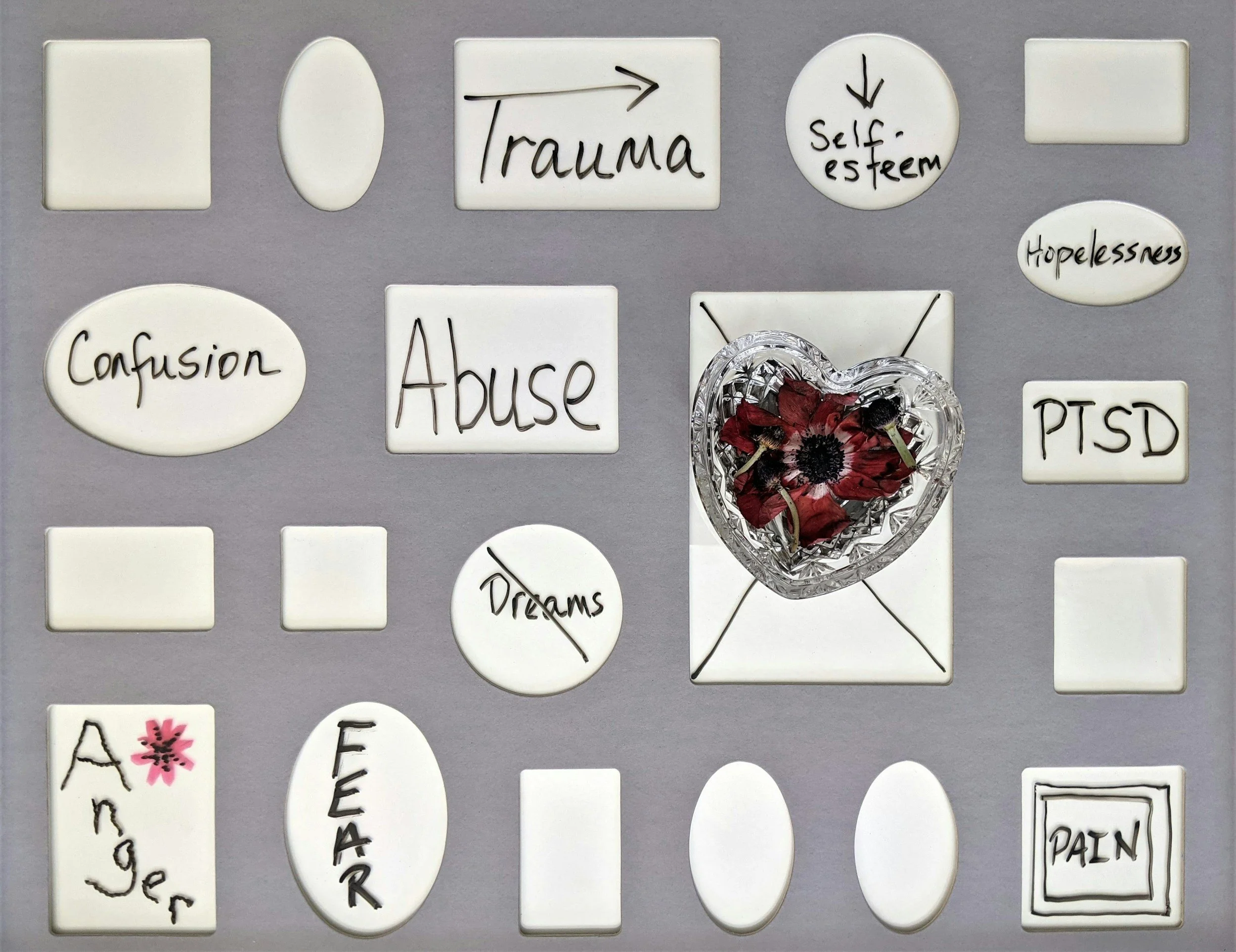
Addiction and PTSD in First Responders: Understanding the Link and the Path to Healing
First responders—paramedics, firefighters, police officers, dispatchers, corrections staff, and search‑and‑rescue teams—carry a weight that most people never see. They run toward danger, witness trauma daily, and are expected to remain composed in situations that would overwhelm anyone else. Over time, this exposure can take a profound toll on mental health, often manifesting as post‑traumatic stress disorder (PTSD), operational stress injuries, and, for some, substance use disorders.
As an addiction specialist, I’ve seen firsthand how these challenges intersect. The good news is that help exists, recovery is possible, and no first responder has to navigate this alone.

Understanding Physical and Mental Cravings: Why They Feel Different and How to Break Their Grip
Cravings are one of the most misunderstood—and most feared—parts of recovery. People often describe them as sudden waves that “come out of nowhere,” or as a relentless pull that hijacks their thoughts. As an addiction specialist, I see every day how cravings can derail progress, shake confidence, and create the illusion that a person is powerless.

Why Detox Is Crucial Before Beginning Treatment for Alcoholism or Substance Addiction
From the perspective of an addiction specialist, detoxification (detox) is the essential first phase of care for Alcohol Use Disorder (AUD) or any Substance Use Disorder (SUD) because it creates the physiological and psychological stability needed for meaningful treatment to begin. Detox is not treatment by itself—it’s the medical and supportive process of helping the body safely clear alcohol or drugs while managing withdrawal.
Below are the core reasons detox is considered foundational.

Overcoming Fear in Recovery: Building a Life That Grabs Your Attention
Recovery isn’t just about putting substances down — it’s about building a life that feels worth staying sober for. And that process, while exciting, can also be terrifying. Many people assume the hardest part of recovery is detox or early sobriety, but the truth is this…

Why Meditation Is a Critical Part of Recovery — Especially in Polysubstance Addiction
Recovery from addiction is not just about stopping the substances. It’s about healing the mind, calming the nervous system, and rebuilding the internal stability that addiction slowly erodes. When someone has struggled with polysubstance use, the nervous system has often been pushed to its limits—stimulated, numbed, sedated, and overwhelmed in cycles that leave the brain in a constant state of dysregulation.

Trauma: The Hidden Engine of Addiction
Addiction rarely begins with a substance. It begins with a story.
A story of pain, overwhelm, fear, or emotional disconnection that the nervous system never had the chance to process. When I sit with clients struggling with addiction—whether to substances, gambling, pornography, food, or compulsive behaviours—the common thread is almost always trauma. Sometimes it’s obvious and dramatic. Other times it’s subtle, chronic, and invisible. But it’s there, shaping the brain, the body, and the choices that follow.

Why Loved Ones Must Follow Through With Consequences When Addiction Takes Hold
Families don’t like hearing that. It feels harsh, unloving, or confrontational. But in practice, consequences are often the only force strong enough to interrupt the momentum of addiction. Without them, the illness progresses quietly, predictably, and relentlessly.

Dopamine Traps: How Abundance Can Heal You—or Hijack You
Modern life offers more abundance than any generation before us. We have endless entertainment, instant communication, food delivered to our door, and a constant stream of stimulation available 24/7. On the surface, this looks like progress. But for many people—especially those wired for addiction—this abundance becomes a minefield of dopamine traps.
Rewiring the Reward Center: How the Brain Heals in Early Sobriety
Early sobriety is often described as a fog lifting, a slow return to clarity, or a reawakening of the self. But beneath those emotional shifts lies something even more profound: the brain’s reward system is beginning to reset itself.Understanding this process can help you stay grounded, patient, and hopeful as you move through the early stages of recovery.

Trauma: The Hidden Engine of Addiction
Addiction rarely begins with a substance. It begins with a story.
A story of pain, overwhelm, fear, or emotional disconnection that the nervous system never had the chance to process. When I sit with clients struggling with addiction—whether to substances, gambling, pornography, food, or compulsive behaviours—the common thread is almost always trauma. Sometimes it’s obvious and dramatic. Other times it’s subtle, chronic, and invisible. But it’s there, shaping the brain, the body, and the choices that follow.
Trauma is not just an event. It’s the internal wound left behind. And that wound becomes the engine that drives addiction.

Are We Treating Addiction — or Just Medicating It?
In the addiction field, we talk a lot about “root causes.” Trauma. Stress. Disconnection. Emotional pain. Genetics. Environment. Learned coping patterns. These are the forces that shape a person’s relationship with substances long before the first drink, pill, or hit ever becomes a problem.
Yet in the broader healthcare system, addiction is often approached through a very different lens — one shaped heavily by the pharmaceutical industry. Medications can play a valuable role in stabilizing people, reducing harm, and supporting recovery. But when medication becomes the primary or only intervention, something essential gets lost.
From where I sit as an addiction specialist, the issue isn’t that pharma is “evil” or intentionally blocking recovery. It’s that the system is built to prioritize symptom management over root‑cause healing, and pharmaceutical solutions fit neatly into that model.
Let’s unpack what that means.
Breaking the Cycle: How Polysubstance Abuse and Behavioural Addictions Hijack the Brain’s Reward System
Addiction rarely arrives as a single, isolated problem. In my work as an addiction specialist, I’ve seen how often substance use overlaps with behavioural addictions — gambling, compulsive sexual behaviour, gaming, shopping, even chronic social media use. When these patterns combine, they don’t just add up; they amplify one another, creating a powerful and destructive loop within the brain’s reward circuitry.
Understanding what’s happening inside the brain is one of the most empowering steps a person can take. Addiction is not a moral failure. It’s a neurobiological trap — but one that can be escaped with the right structure, support, and sustained action.